A Family's Journey Through Advanced Lung Cancer: A Sikh Perspective on Illness, Hospice, and End-of-Life Care
Cancer is becoming an increasingly common reality for many families in our community. Almost everyone knows someone who has been affected by cancer. Beyond the physical illness, it brings emotional distress, uncertainty, complex medical decisions, and the challenge of navigating a healthcare system that can often feel overwhelming.
Recently, I learned about an elderly Sikh community member whose story deeply impacted me. What makes his experience particularly striking is that he did many of the things we encourage people to do. He never smoked, attended regular medical appointments, and participated in routine health screenings. By all appearances, he was taking good care of his health.
The first signs that something was wrong did not seem related to cancer. He began experiencing vision problems and complained of seeing double. Concerned about his eyesight, he stopped driving for a period of time and sought medical attention. At the time, the symptoms appeared to be related to an eye condition, and treatment focused on managing those concerns.
Some time later, he traveled abroad to visit family. During the visit, relatives began noticing subtle changes in his behavior. He seemed increasingly confused. Family members would show him where a restroom was located, but moments later he would forget and wander elsewhere. These episodes were concerning, but the cause remained unclear.
After returning home, he was doing fine for a month and then suddenly began experiencing persistent nausea and vomiting. Initial evaluations focused on more common explanations such as gastrointestinal conditions and indigestion. However, the symptoms did not improve. Days turned into weeks, and the vomiting continued.
At that point, a family member who worked as a pharmacist became increasingly concerned and advocated for additional testing. An MRI of the brain was requested.
The results changed everything.
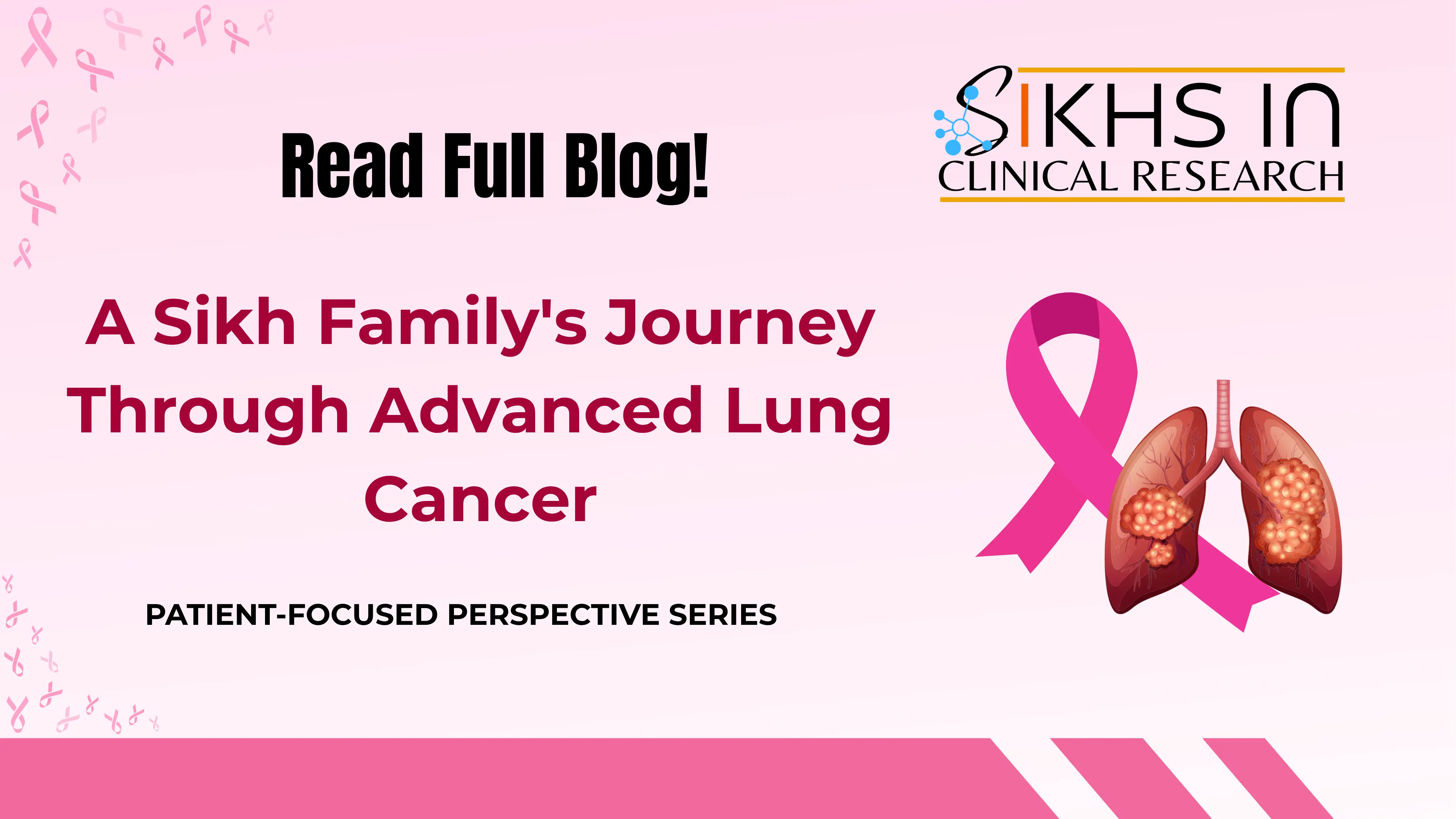
The MRI revealed a brain tumor. He was immediately transferred for neurosurgical evaluation and underwent brain surgery. Further testing showed that the brain tumor was not the primary cancer. Additional imaging and diagnostic workup identified the primary cancer as stage IV lung cancer with brain metastases.
The diagnosis was devastating.
The family struggled to understand how someone who had never smoked and who remained engaged in his healthcare could be facing advanced lung cancer. Yet lung cancer can occur in people who have never smoked, and symptoms may not always appear until the disease has already progressed.
Given the extent of his disease, his overall health, and the treatment options available, physicians recommended radiation therapy. Molecular testing also identified a genetic mutation, and he was started on targeted therapy with the hope that it would help control the cancer.
Unfortunately, after approximately two months, follow-up evaluations showed that the treatment was not working.
As the cancer progressed, symptom management became the primary focus. He developed a pleural effusion, a buildup of fluid around the lungs that made breathing increasingly difficult. To relieve his symptoms, physicians performed a thoracentesis to drain the fluid from around his lungs. As his illness advanced, morphine was introduced to help relieve pain and shortness of breath. While it improved his comfort, it also contributed to increased drowsiness, and he spent much of his time sleeping.
Throughout their healthcare journey, the family often found themselves explaining Sikh practices to members of the healthcare team. They felt that the healthcare professionals were not familiar with the faith and their beliefs, but they were respectful to their beliefs once they were informed by the family members, for example, the significance of maintaining uncut hair (Kes), one of the articles of faith in Sikhism. They were also provided with a Punjabi interpreter when needed.
Eventually, difficult conversations about goals of care began. After careful consideration, the family chose hospice care, focusing on comfort, dignity, and quality of life rather than further disease-directed treatment. During the hospice admission process, the chaplain asked the family about their values, beliefs, and practices to better understand how they wished to care for their loved one during his final days.
On the same day hospice services were initiated, the family gathered and performed Ardaas, seeking strength, peace, and acceptance. Although they had initially been told he might have months to live, his condition changed rapidly. He declined unexpectedly and passed away peacefully later that night.
Following Sikh tradition, the family remained with him for nearly four hours after his passing, reciting prayers before returning home. Hospice staff cared for his body after the family left, completed the necessary documentation, coordinated the physician's signature on the death certificate, obtained the required county permits, and arranged transportation to the funeral home once all paperwork had been finalized.
While these arrangements were underway, the family began a Sehaj Paath at home. His funeral reflected the simplicity and humility emphasized in Sikh teachings. The funeral was held without a casket, and the family gathered on sheets placed on the floor and led the funeral prayers themselves. After returning home, they continued the Sehaj Paath. Upon its completion, they held the Bhog ceremony and offered Ardaas at their local Gurdwara Sahib. Later, the family immersed his ashes in flowing water while reciting Sikh prayers, completing the final rites according to the faith.
Looking back, the family reflects not only on the cancer itself but also on the complexity of the healthcare journey. One of the strongest lessons they learned was the importance of self-advocacy. Modern healthcare systems are complex. Patients often see multiple specialists, undergo numerous tests, and face long waits for appointments and referrals. Families may feel overwhelmed trying to understand diagnoses, treatment options, insurance issues, and care coordination.
For many caregivers, it can sometimes feel as though they are navigating the system alone.
The experience also reinforced an important reality: cancer does not always follow the risk factors we expect. Lung cancer can occur in people who have never smoked, and symptoms may be subtle, unusual, or attributed to other conditions. Not every persistent symptom indicates cancer, but unexplained or worsening symptoms deserve timely medical evaluation.
For this family, faith remained a source of strength throughout the journey. Their Sikh beliefs guided not only how they coped with illness and death but also how they cared for their loved one with dignity, compassion, and acceptance. Sikh teachings emphasize accepting Waheguru's will (Hukam), practicing seva (selfless service), and finding peace through faith even during profound hardship.
Cancer changes families forever. It teaches lessons about love, caregiving, advocacy, vulnerability, cultural understanding, and the value of time. Patients and families need compassionate, culturally respectful care throughout every stage of their illness. Behind every diagnosis is a person, a family, and a story that deserves to be heard.
~ Ekta Grewal
(Founder, Sikhs in Clinical Research)