Sikhs In Clinical Research (SICR) continues to raise awareness about diseases, promote health screenings, and increase awareness of clinical research through community outreach and engagement. April 2026 was recognized as Sikh Awareness Month in Illinois, and SICR took the opportunity to increase awareness of Sikh faith and the needs of Sikh patients within the healthcare and clinical research industry. SICR hosted a cultural competency webinar to help healthcare professionals better understand Sikh culture and provide respectful, compassionate, patient-centered care to Sikh patients.
The one-hour session focused on Sikh beliefs & values, cultural and religious practices that may influence healthcare decisions, effective communication with Sikh patients and families, and the importance of building trust & respecting individual cultural and individual preferences. The goal was to provide knowledge that attendees could apply in their daily clinical practice.
The webinar brought together community perspectives to help healthcare professionals better understand and respond to the needs of Sikh patients. Topics covered included the basic principles of the Sikh faith, Sikh values, appearance and articles of faith, cultural sensitivities when treating Sikh patients, dietary considerations, individual beliefs and preferences, and differences among patients. The session also included case examples and educational animated videos created by SICR.
Several organizations were invited to participate, and participating organizations were acknowledged during the webinar.
Pre-Webinar Survey
To measure the impact of the event, SICR conducted a pre- and post-webinar survey. Responses were received from participants across multiple states. A total of 97 people registered for the webinar, demonstrating broad geographic participation (Figure 1). Illinois represented the largest share of attendees, at 33%.
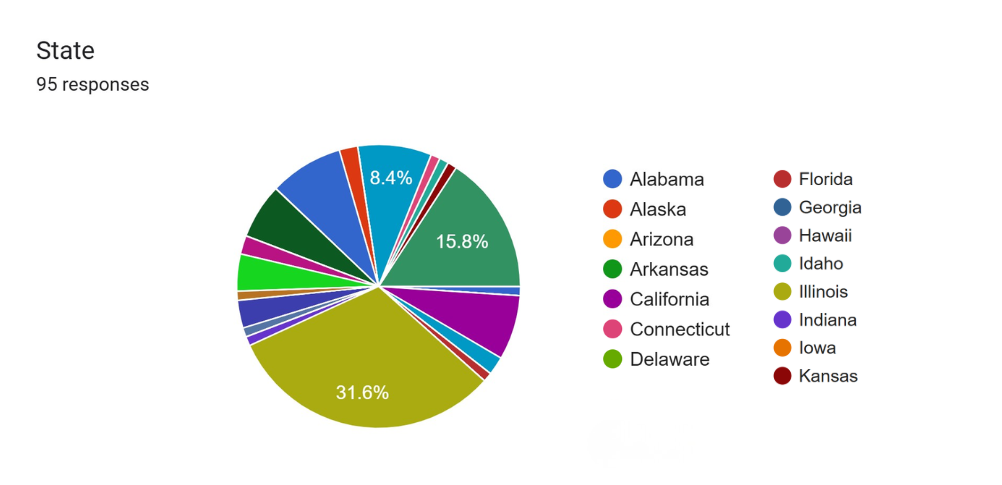
State distribution of webinar respondents (97 responses).
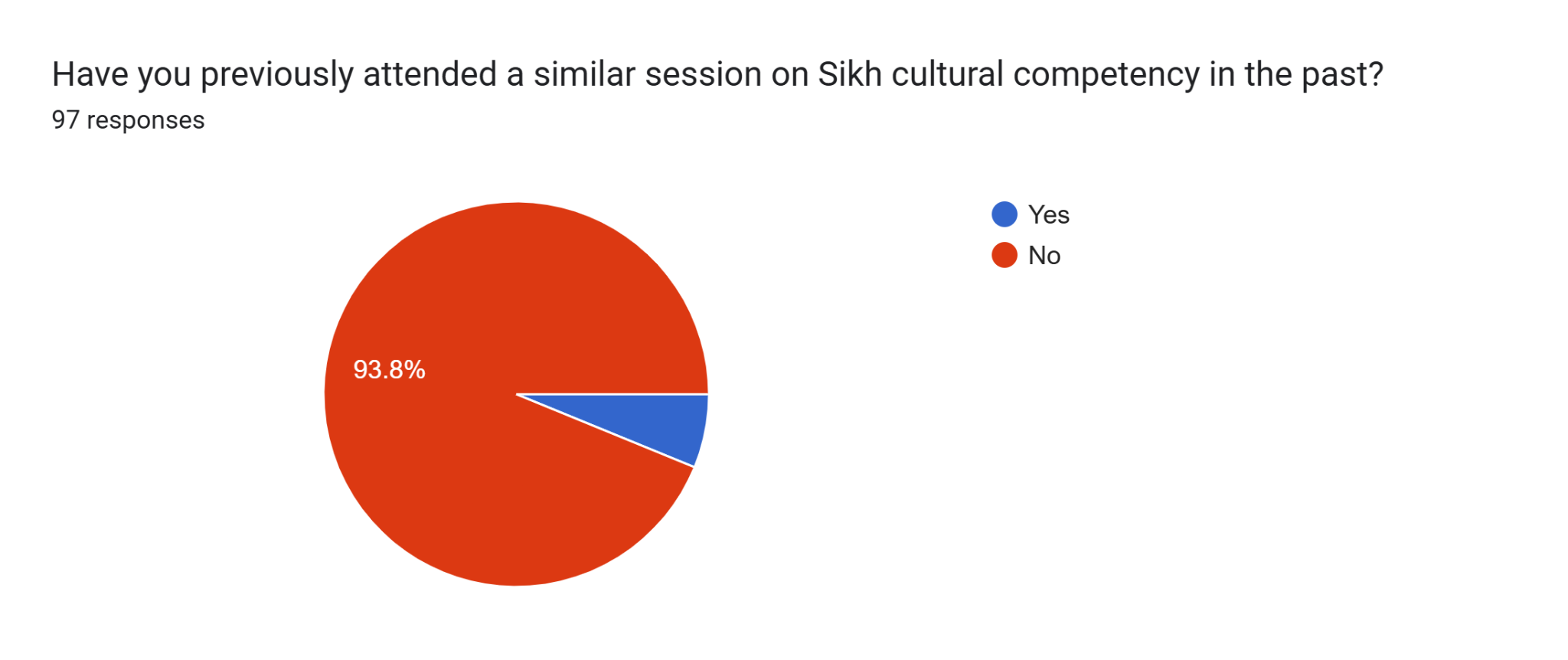
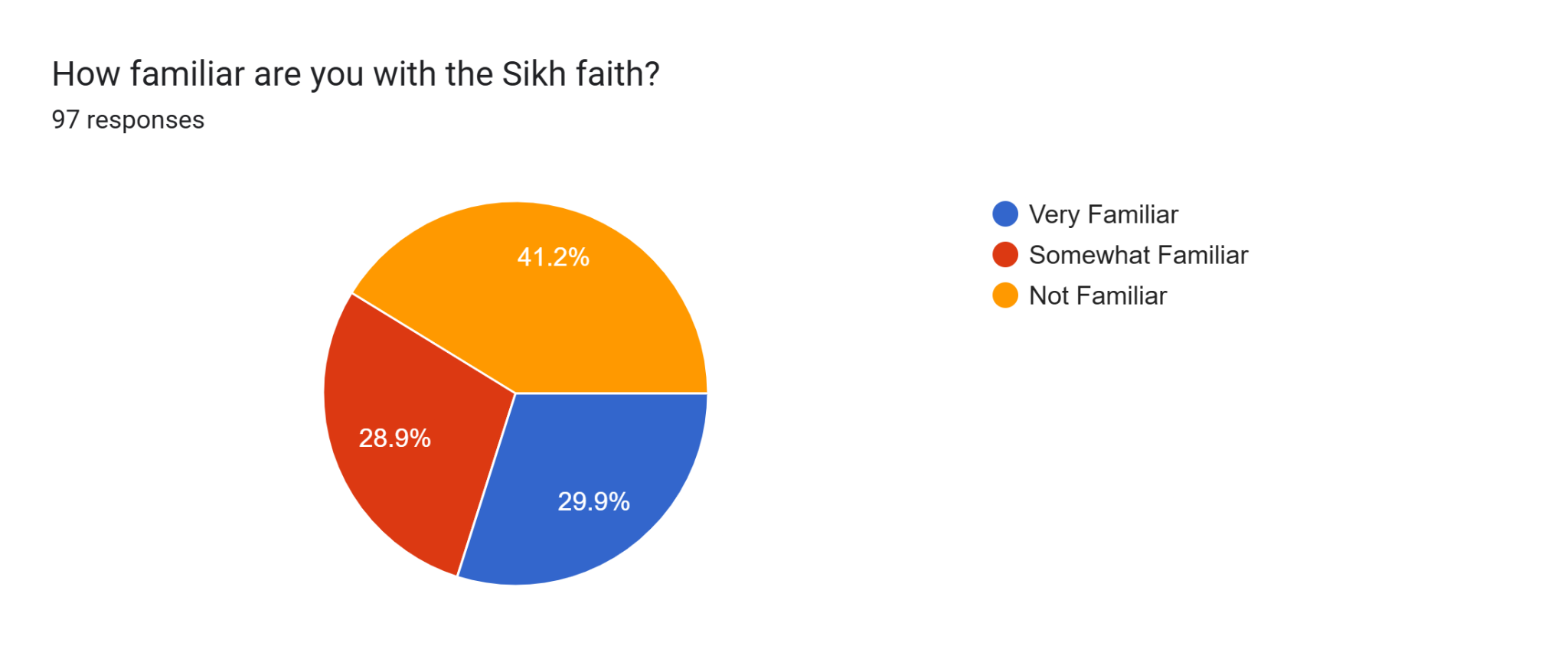
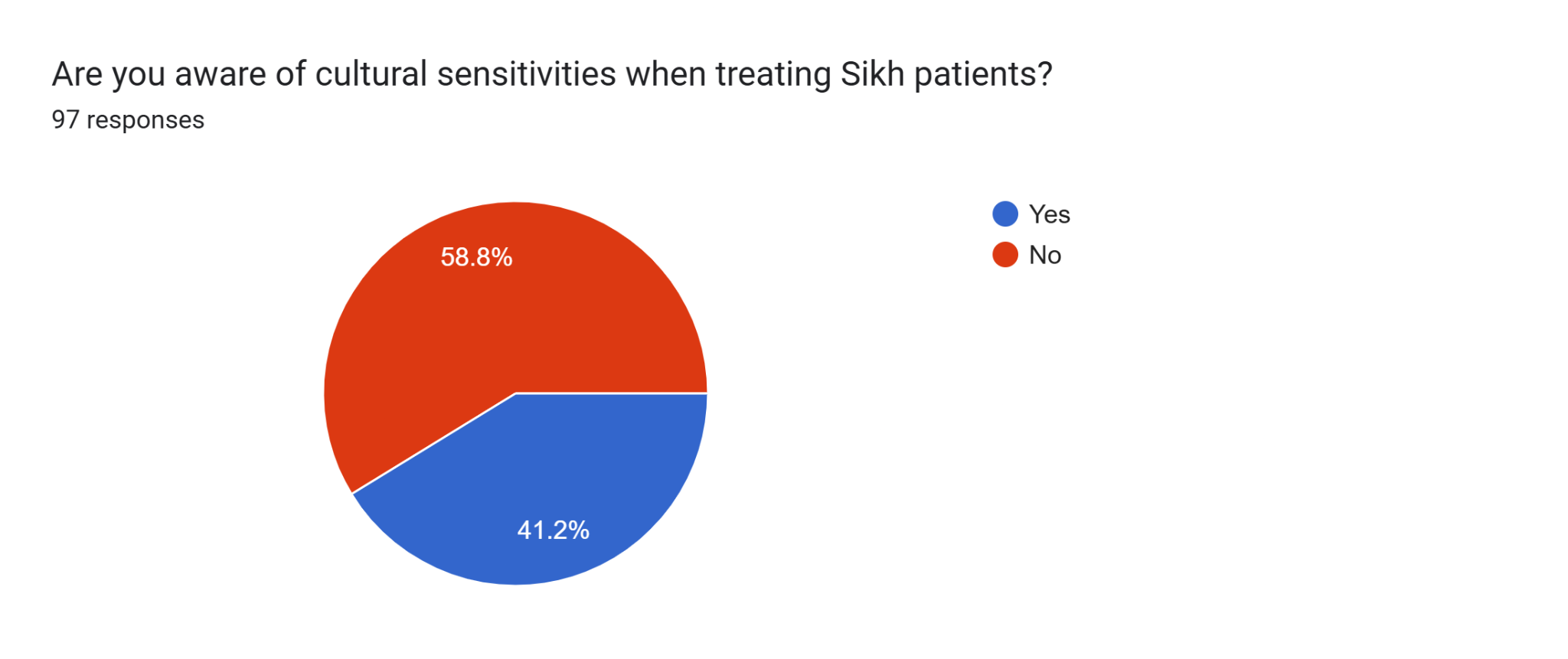
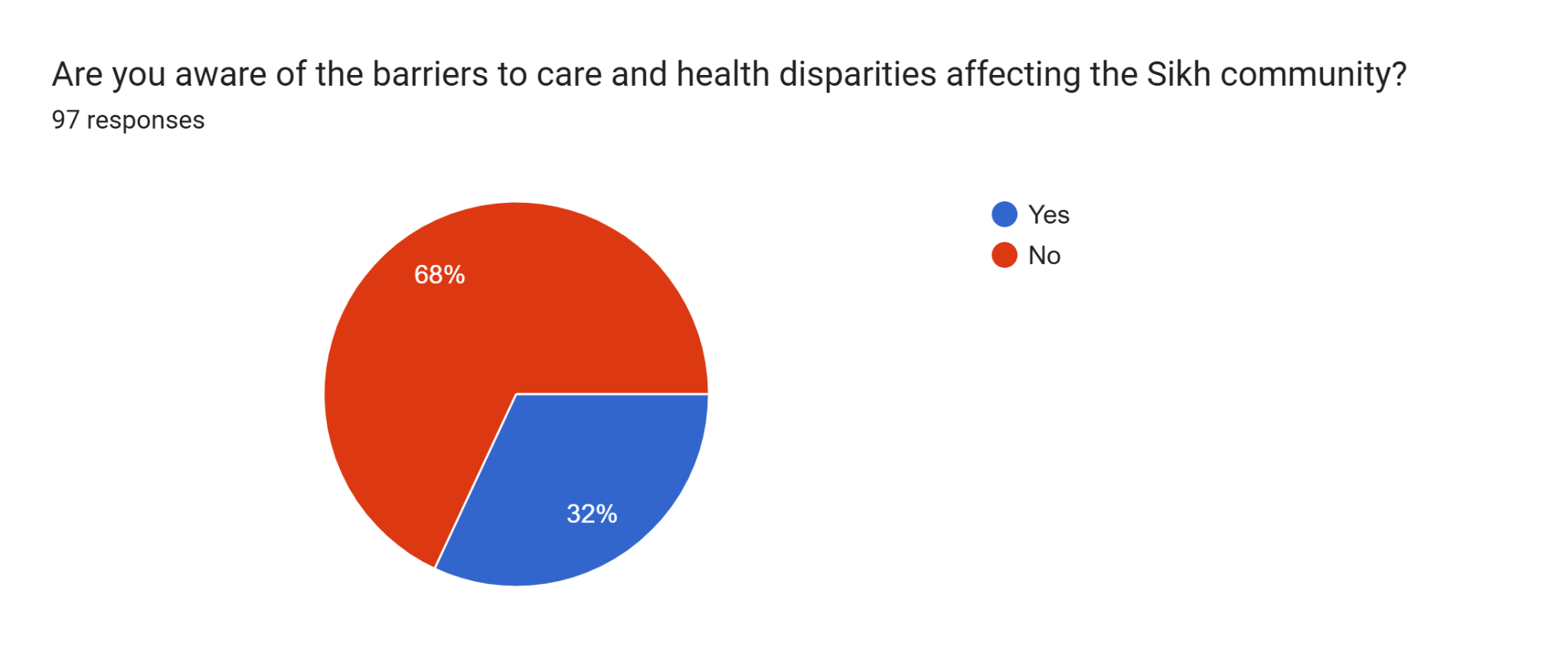
The pre-webinar survey provided a snapshot of attendees’ existing familiarity with the Sikh faith, cultural sensitivities, and health disparities affecting the Sikh community. Among the 97 respondents, 93.8% reported that they had not previously attended a similar session on Sikh cultural competency. Additionally, 41.2% reported that they were not familiar with the Sikh faith, 58.8% were not aware of cultural sensitivities when treating Sikh patients, and 68% were not aware of barriers to care and health disparities affecting the Sikh community.
Post-Webinar Survey Results
Of the 97 people who registered, 64 attended the session. The post-webinar survey included 34 respondents and examined participants’ understanding, confidence, and intention to apply what they learned.
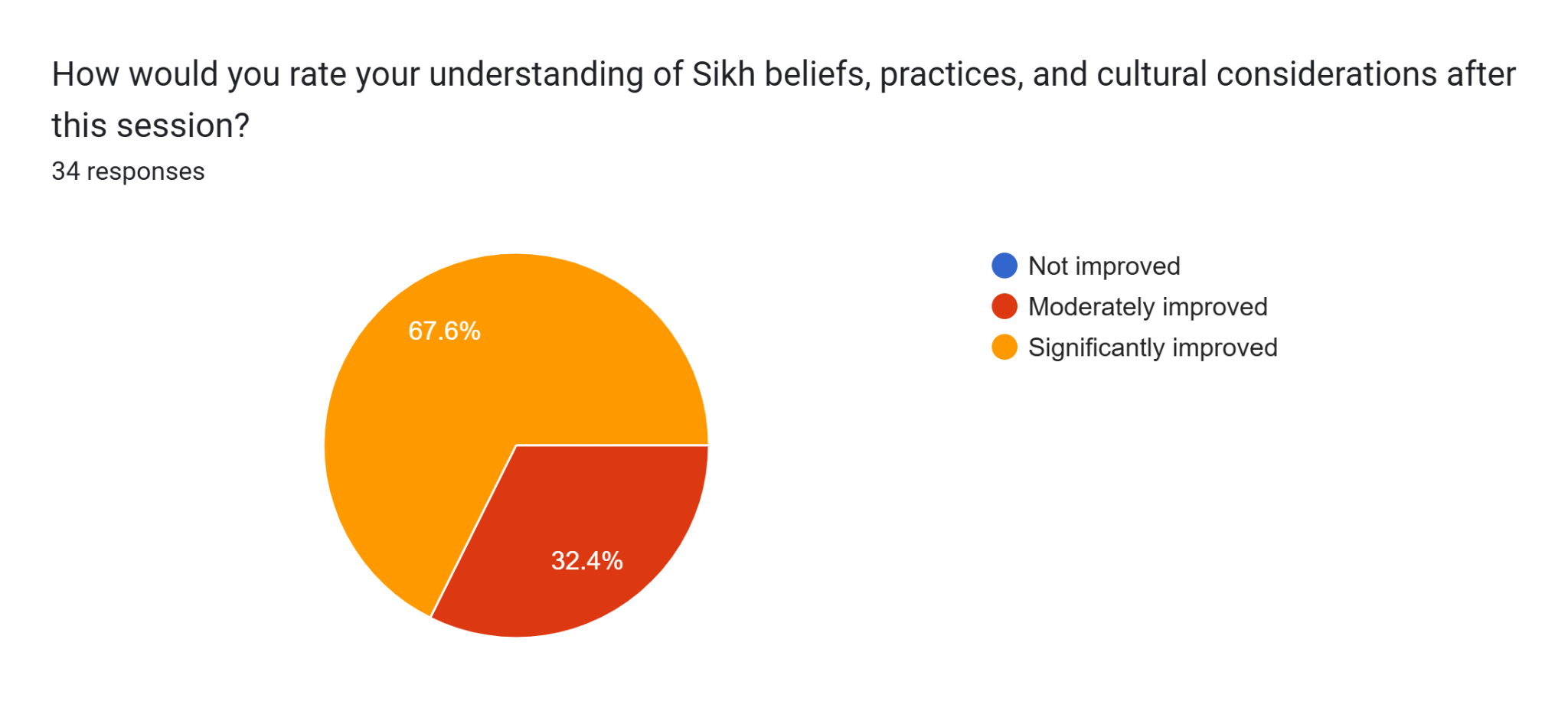
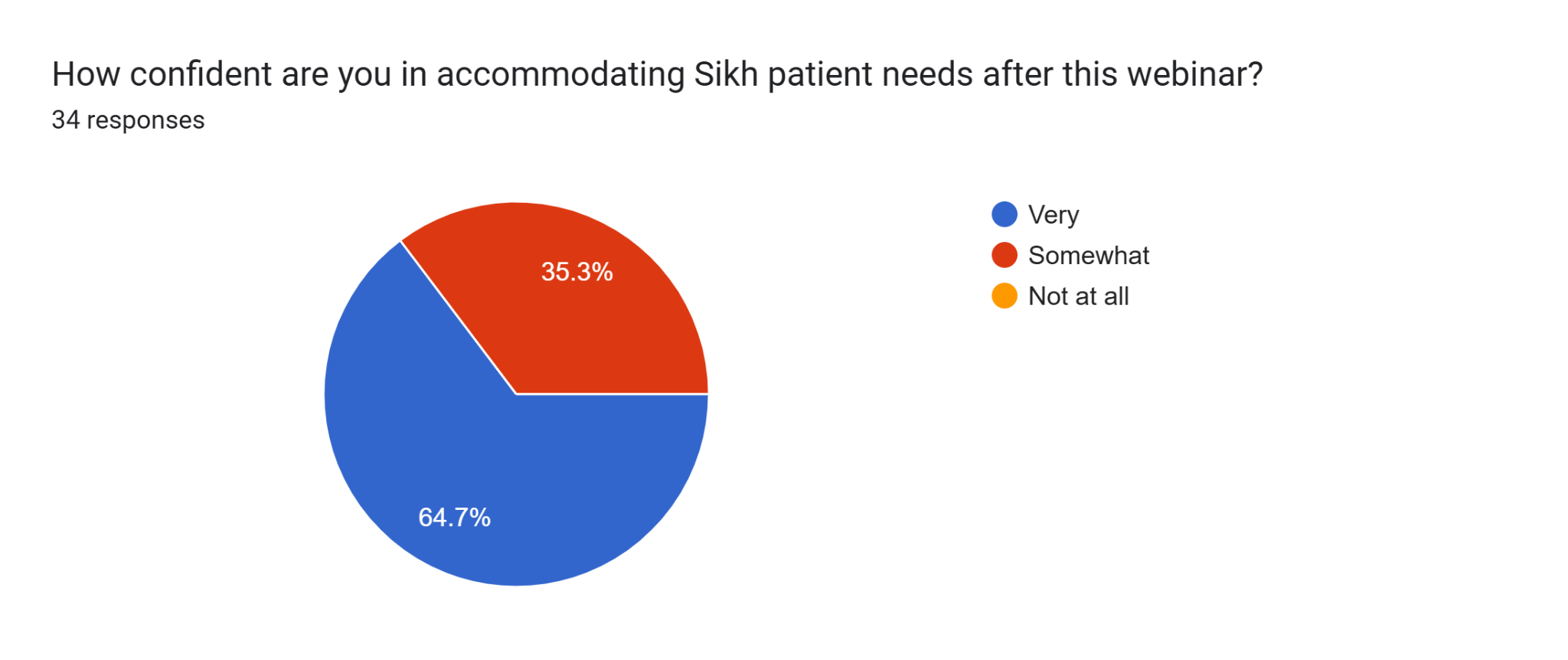
Regarding their understanding of Sikh beliefs, practices, and cultural considerations, 67.6% reported significant improvement. For accommodating the needs of Sikh patients, 64.7% reported feeling very confident.
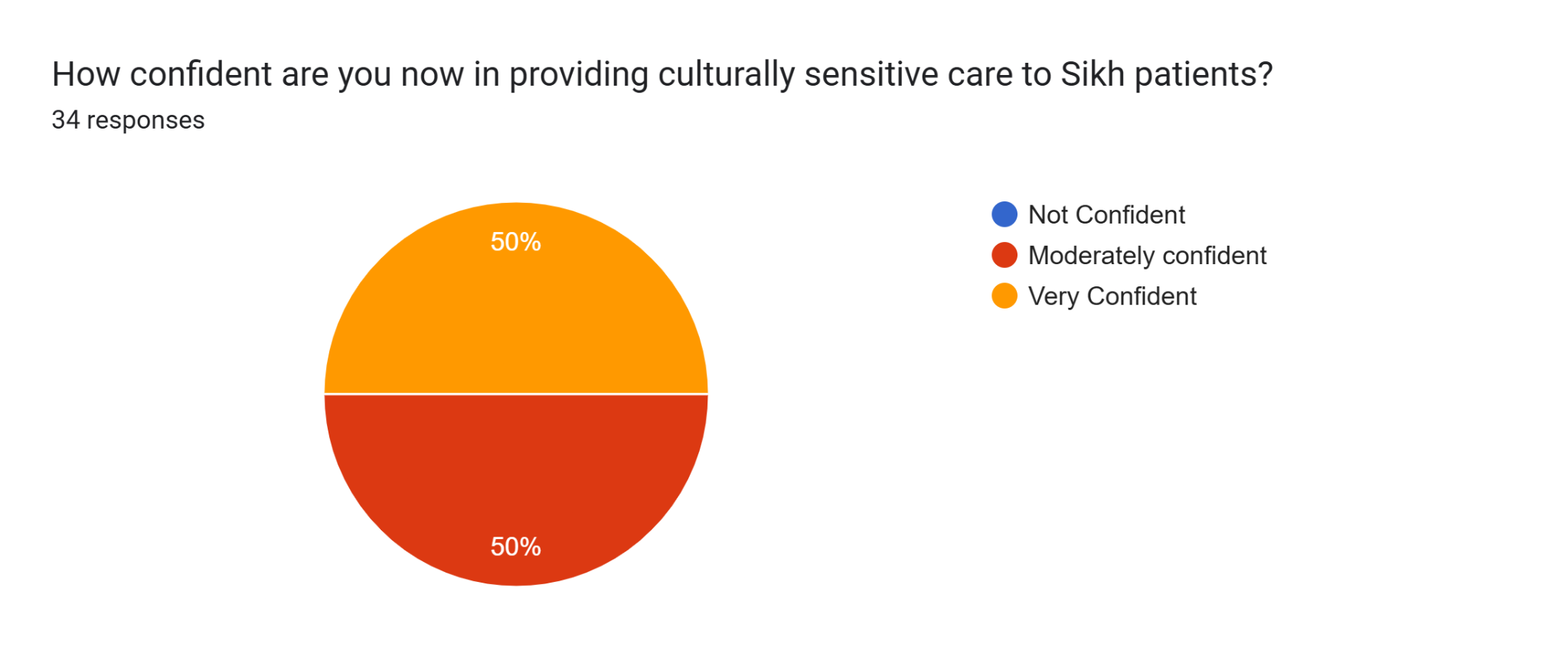
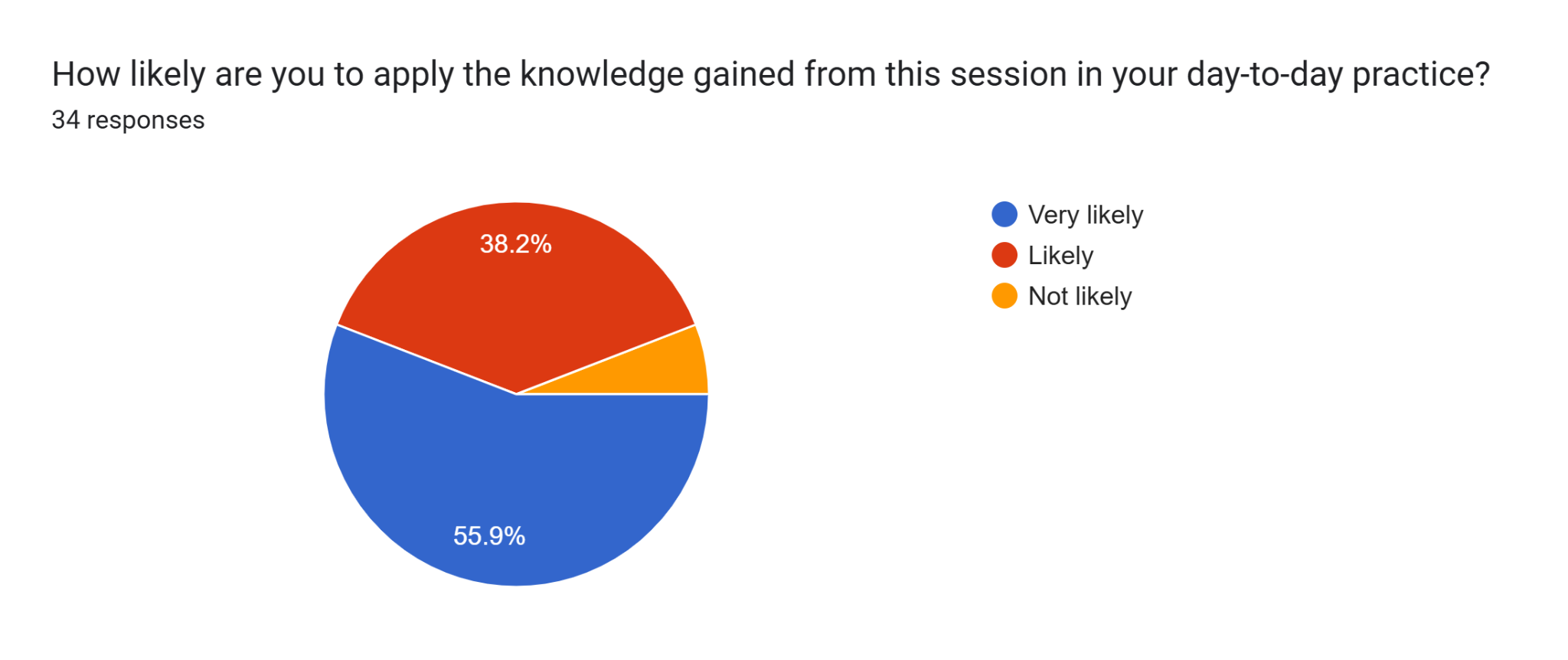
When asked about providing culturally sensitive care to Sikh patients, 50% reported feeling very confident after the session. In addition, 55.9% reported being very likely to apply the knowledge gained in their day-to-day practice.
Together, these responses demonstrate increased understanding and confidence, as well as a strong intention to apply the knowledge gained in clinical practice when caring for Sikh patients.
Participant Feedback and Continued Learning
In addition to the survey responses, participants asked thoughtful questions during the session and followed up by email to learn more. Many expressed interest in longer or additional educational sessions, highlighting the need for continued learning on culturally responsive healthcare. A few institutions also requested a continued webinar series. In response, SICR has organized a follow-up session in November 2026, also covering palliative/hospice care for Sikh patients.
The April webinar highlighted the importance of helping healthcare professionals better understand Sikh culture and the cultural considerations that may influence patient care. Pre-webinar responses showed limited familiarity, prior exposure, and awareness in several areas. Post-webinar responses, however, demonstrated reported improvements in understanding and confidence, along with a strong intention to apply the knowledge gained in clinical practice.
These findings reinforce the value of cultural competency education in building trust, strengthening communication between healthcare professionals and patients, and supporting more culturally responsive care. Continued education and additional sessions can help healthcare professionals further develop the knowledge and confidence needed to provide respectful, patient-centered care to Sikh patients and families.
~ Ekta Grewal
(Founder, Sikhs in Clinical Research)